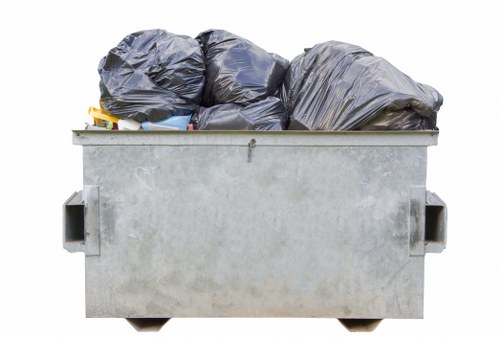
 Commercial Waste Edmonton: Recycling and Sustainability Commitment
At Commercial Waste Edmonton we are focused on building an eco-friendly waste disposal area and a sustainable rubbish area across the city and surrounding boroughs. Our approach to Edmonton commercial waste is practical and measurable: we apply best-practice separation, reuse and resource recovery techniques while tailoring services to the specific needs of local businesses, property managers and industrial sites.
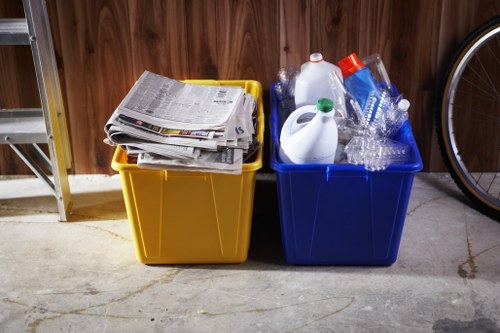 Our Recycling Percentage Target and How We Measure It
We set a clear annual benchmark: a 55% recycling percentage target for all commercial collections by year three, rising to a 65% diversion goal by year five. These targets relate to the overall tonnage diverted from landfill and are tracked through load audits at local transfer stations. Using Edmonton-focused metrics, our commercial-waste edmonton reporting distinguishes between organics, construction and demolition waste, paper and cardboard, glass, plastics and regulated e-waste streams.
Local transfer stations play a key role in achieving our targets. Edmonton transfer stations and nearby municipal facilities provide staging, sorting and compacting services so that mixed commercial loads can be separated efficiently. We work with transfer station operators to ensure inbound materials are logged, graded and redirected to the correct recycling or treatment facility rather than being sent to landfill.
In partnership with borough authorities and business improvement districts, our boroughs' approach to waste separation emphasizes source segregation where possible. Many commercial tenants benefit from simple, colour-coded bins for dry recyclables, organics and residual waste, reducing contamination and improving recovery.
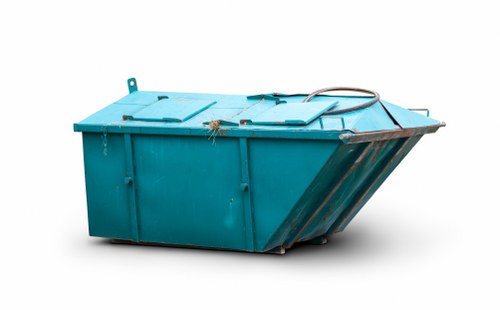 We also develop strong partnerships with local charities and social enterprises to maximize reuse. Furniture, textiles and usable office equipment are redirected through verified charity networks and community reuse centres. These collaborations support circular-economy outcomes while delivering social value—helping shelters, training programs and community projects with recovered goods.
To support a true sustainable rubbish area, our services include targeted collections for specific commercial streams: construction and demolition (C&D) materials, pallets and wooden packaging, food waste and commercial organics, confidential paper shredding, and safe electronic waste (e-waste) collection. The list below highlights common recycling activities we manage across Edmonton boroughs:
- Paper & Cardboard: segregated baling and recycling from retail, offices and warehousing.
- Glass & Plastics: source-separated glass crushing and mixed plastic sorting for recycling.
- Organics: commercial food waste collections feeding industrial composting or AD facilities.
- Construction Waste: C&D sorting, concrete crushing and timber reclamation.
- Electronics: safe handling and data-sensitive e-waste recovery.
Our Edmonton commercial waste plans also include educational outreach so businesses understand the value of proper separation. Practical steps such as labelling, bin placement, and clear signage reduce contamination and increase recycling rates. Many boroughs have implemented pay-as-you-throw and sorting incentives; we harmonize our collection policies with these local schemes to support consistent behaviour across business districts.
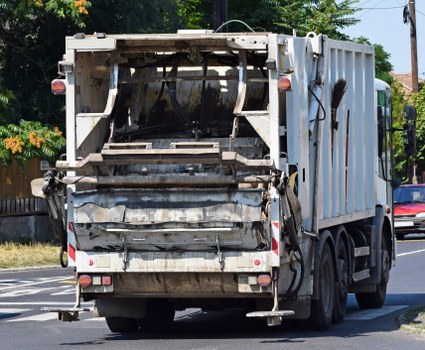 A low-carbon fleet is central to our sustainability promise. We operate a growing number of low-emission and electric vans for last-mile servicing and lightweight collection, complemented by Euro VI compliant trucks for heavier loads. These low-carbon vans reduce urban emissions, help lower operating noise in dense commercial areas and are part of a broader decarbonisation roadmap for the fleet.
Fleet management includes route optimisation, telematics and driver training to reduce idling and fuel consumption. By combining lower-emission vehicles with efficient scheduling we cut transport-related emissions per tonne of diverted waste, contributing to the city's climate targets while keeping operating costs competitive.
Where materials can be reused locally, we prioritise redistribution through partnerships rather than recycling into commodity feedstocks. This approach keeps value in the local economy and reduces embodied emissions from reprocessing. Our charity partners and social enterprises are carefully vetted to ensure recovered items are repurposed responsibly and are not exported as low-grade waste.
 Reporting and transparency are core to maintaining trust: regular recycling performance dashboards inform clients about tonnes diverted, contamination rates and progress toward the recycling percentage target. We publish anonymised, aggregated results for zones across Edmonton to show how business sectors and boroughs compare, and to identify hotspots where additional segregation or education can make the most difference.
By combining measurable targets, local transfer station networks, charity partnerships, and a low-emission vehicle strategy, Commercial Waste Edmonton — in all its forms as commercial waste edmonton or Edmonton commercial waste services — is committed to creating a resilient, sustainable rubbish area and a truly eco-friendly waste disposal area for businesses. Our long-term vision is a circular, low-carbon local economy where waste is a resource and civic, commercial and voluntary sectors work together to recover it.
