Commercial Waste in Edmonton
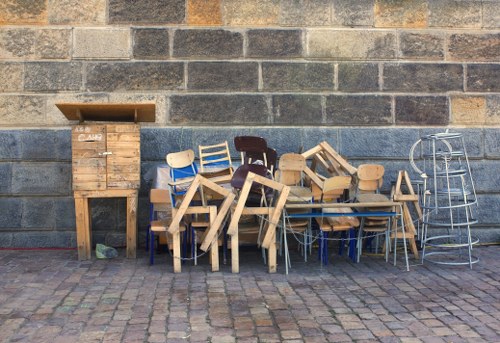
Commercial waste in Edmonton needs a service that is orderly, practical and suited to day-to-day business activity. We collect and remove a wide range of non-hazardous and specialist commercial waste streams, with clear attention to segregation, handling and onward disposal. Whether the material comes from an office, shop, workshop, hospitality premises or managed building, the aim is to keep disposal straightforward and to reduce disruption while work continues.
Our commercial waste removal can cover recurring clear-outs, one-off disposals and mixed loads that need sorting before they leave site. Typical material includes office furniture, packaging, fixtures, general business rubbish and redundant equipment, subject to the rules for each material type. Where items need separate handling, we can organise the collection so the load is managed more sensibly rather than treated as one undifferentiated heap.
For a quotation, use the links on this page or send over the basic job details in plain text. A useful enquiry usually includes the type of waste, roughly how much there is, where it is stored and whether access has any limits. That is often enough to start planning the collection properly without unnecessary back-and-forth.
Business Waste Removal
Business waste removal is usually best approached as a steady operational task rather than an occasional chore. We handle loads that arise from stock changes, routine clear-outs, refits, office moves and the ordinary build-up of unwanted commercial materials. The focus is on taking away the waste efficiently while keeping the process compatible with the way your premises actually function, whether that means working around trading hours, shared access points or a limited collection area.
Good commercial waste removal depends on recognising what the load contains. A mixed business load might include cardboard, plastic packaging, broken display items, shelving, filing materials or old IT peripherals, and each may need a different treatment pathway. When waste is already separated, collection can be faster and simpler; when it is mixed, a careful sort helps avoid unsuitable disposal routes. If you are comparing options, our business waste removal service is the best place to look first.
Sometimes the most useful commercial decision is to clear only the material that has genuinely reached end of use, while keeping reusable equipment aside. A tidy collection plan can save storage space, but it can also protect items that still have a role in the business. If you are preparing a quote request, keep the note brief but specific, and remember to mention any bulky items or separate storage areas. See pricing and quotes for the information that helps shape an accurate estimate.
Office Waste and Shredding
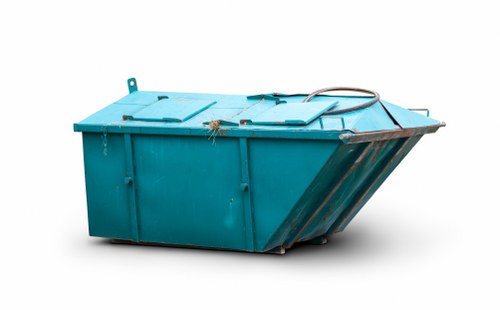
Office waste often contains more than simple rubbish, so it benefits from a more structured approach. Desks, chairs, filing cabinets, printers, packaging and general office clutter all require different handling choices, especially where items are oversized or partly reusable. We can remove office waste from individual rooms, back offices, storage areas and shared workspaces, with an emphasis on clearing the material that is no longer needed while keeping the remaining environment workable.
Where paperwork or archived material needs treatment, a separate confidential shredding option may be appropriate for documents that cannot simply go into an ordinary waste load. That is particularly important for records containing staff, customer or financial information. The same principle applies to old storage boxes, archive bags and mixed file runs: do not assume every paper-based item can be handled the same way. Confidential disposal is about process and control, not just removal speed.
Useful preparation usually means keeping sensitive papers apart from general office rubbish, identifying bulky items that need dismantling and giving a rough idea of access. If the collection point is on an upper floor, in a basement or behind secure reception, that can affect how the removal is organised. For larger office jobs, a simple list of what is staying and what is going helps avoid mistakes. If you are ready to move things on, ask for a quotation with the main waste types and any access notes.
Furniture and Fixture Disposal
Commercial furniture disposal is often needed when a business refreshes its layout, replaces worn items or clears an area for a new use. Chairs, tables, shelving, reception furniture, cabinets and similar items can usually be removed as part of a larger load, provided they are described accurately in advance. We also deal with items that have been dismantled, stacked flat or grouped in a storage room, which can make the work more efficient than removing each piece separately.
Some furniture items are better treated as disposal work rather than general rubbish because of their size, material mix or condition. A sofa from a staff room, a worn meeting table or fitted office storage may all require different practical handling before collection. If your load also includes non-office pieces, furniture disposal can be relevant alongside the broader commercial waste job. The important point is to match the removal method to the item, not to the room it came from.
When furniture is still in usable condition, businesses sometimes separate it for reuse, resale or donation before arranging disposal. That is a commercial choice rather than a disposal necessity, but it can help reduce what enters the waste stream. For a straightforward request, note the item type, quantity and whether it needs lifting from a floor above ground level. If the collection is part of a wider clear-out, mention the other waste categories at the same time.
Hazardous and Special Materials
Not every commercial waste load can be handled in the same way, and some materials require more careful identification before removal. Hazardous, regulated or potentially difficult items must be described honestly so they can be directed to the correct process. That includes materials that are contaminated, pressurised, chemically active or otherwise unsuitable for a routine mixed load. A good commercial plan starts with clarity about what the material actually is, not with assumptions.
If you have specialised waste, the safest route is to name it clearly and separate it from ordinary business rubbish where possible. Hazardous waste disposal is the relevant service for material that cannot be treated as standard refuse, while items such as broken appliances may need a different route again. For example, fridges and some electrical equipment are handled under their own disposal rules, so they should be identified early rather than added to a general pile.
Do not mix chemicals, batteries, unknown liquids and standard waste unless you have been told they can be collected together. If in doubt, keep the item isolated and describe it carefully in your enquiry. That simple step helps avoid unsuitable handling and makes it easier to judge whether the load is acceptable. Commercial waste is not just about taking things away; it is about placing each item into the right route from the start.
Appliance and Equipment Removal

Many businesses end up with redundant appliances, screens, small electricals and other equipment that cannot be left beside ordinary rubbish. These items often take more care because of their build, weight or material content. We can remove commercial appliances alongside other waste or as a separate collection, depending on what you need cleared and how the items are stored. A clear description of the equipment is always helpful, especially if it includes mixed types in one location.
Where the items are large or awkward, separate handling can make the work smoother. A broken office fridge, a shop display unit, an old microwave or a worn appliance may need to be moved differently from furniture or packaging. If your job includes appliances and furniture together, try to list them distinctly so the removal is planned around the actual load. For specific appliance work, see fridge and appliance removal for the related collection route.
The same practical approach applies to commercial equipment that has been removed from service but not yet broken down into parts. Keep cables, accessories and loose components together if they belong to one item, and identify anything that may still contain consumables or remnants. The more precisely the equipment is described, the easier it is to place it into the correct waste category and to avoid unnecessary handling on the day.
Clear-Outs for Premises and Stores
Commercial waste removal often overlaps with an internal clear-out, especially when rooms have accumulated redundant stock, old displays or forgotten storage. In those cases the work is less about a single object and more about making an area usable again by taking away the material that no longer has a purpose. We can support clear-outs in back rooms, stock areas, service corridors and storage cupboards, provided the contents are described with enough clarity to plan the collection.
Different premises produce different waste profiles. A retail unit may have cardboard, hangers, fittings and display items; a workshop may have packaging, offcuts and broken fixtures; a hospitality space may have shelving, small appliances and mixed supplies. Where the load is broad, it helps to group similar items together before the collection. If you are clearing domestic-style contents from a business-linked property, home clearance and related pages may also be relevant in context, but the exact route depends on the nature of the premises and the waste involved.
For many customers, the key decision is whether to clear the space in stages or as one larger visit. Staged work can suit active premises with limited storage, while a single collection may be better when access is open and the waste is already assembled. Either way, the more accurate the description, the easier it is to judge the practical scope. Use the enquiry to identify the type of premises, the main waste groups and any items that need special handling.
Commercial Waste Decisions and Collection Planning
Planning a commercial waste collection properly makes the work cleaner, safer and easier to price. The most useful decisions are usually about what should go, what should stay and whether anything needs to be separated before removal. If you already know the approximate volume, the floor level and the access route, you can often reduce uncertainty at the quotation stage. That does not mean providing a full inventory, but it does mean giving enough detail to avoid surprises.
Where a business has a mixture of items, a simple sort into broad groups is often helpful. For instance, keep office furniture apart from documents, set special waste aside from ordinary rubbish and identify anything too heavy or awkward to move as one piece. The same note can also help if you need waste removal from a yard, a shared basement or a loading bay. For a general overview of collection scope, waste removal covers the broader service context.
Three details are usually the most useful: what the waste is, where it is located and how much there is. If you can add whether items are dismantled or still assembled, even better. Keep the request simple, but not vague. That balance helps the response stay accurate while avoiding unnecessary admin. If the job is urgent or complicated, say so plainly rather than assuming the collection plan will be obvious.
Pricing Factors and Quotation Requests

Commercial waste pricing is usually shaped by the type of material, the quantity to be removed, the ease of access and any separate handling requirements. A load of light packaging is very different from a room full of office furniture or a set of items that must be sorted into different waste streams. A sensible quotation therefore depends on the facts of the job, not on a generic description. That is why clear itemisation is useful even when the final request remains brief.
If you are gathering information for a quotation, note whether the waste is on one floor or several, whether it is already grouped, and whether any item is particularly heavy, fragile or awkward. These points can alter the practical work involved. You can also use pricing and quotes to understand the kind of detail that helps build a realistic estimate. Keep the enquiry concise, but include enough context to make the response meaningful.
It is also sensible to mention whether the collection is a one-off clear-out or part of an ongoing pattern. Repeated collections, ad hoc removals and single bulk jobs do not always look the same from an operational point of view. If you are not sure how to describe the load, use ordinary language and mention the main categories rather than trying to sound technical. A straightforward request is usually better than a polished one that misses the important facts.
About Edmonton
Edmonton is an area in north London within the London Borough of Enfield, long shaped by its position on routes linking the capital with Hertfordshire and the Lea Valley. The historic parish and settlement grew from rural origins into a busier suburban district as London expanded, with the railway and later road connections helping to transform the area’s character. Today Edmonton is associated with a mix of older high-street fabric, post-war housing estates and newer redevelopment, while still retaining pockets that reflect earlier phases of settlement. The name is also closely tied to the wider borough’s industrial and residential history, including the former market town identity around Fore Street and the surrounding district streets. The area sits near important waterways and open spaces, including sections connected to the River Lea corridor and nearby parkland, which provide contrast with the built-up urban environment. Local landmarks and public buildings contribute to that layered character, alongside churches, schools and community facilities that mark different periods of growth. Edmonton Green remains a recognisable centre, combining shopping, transport and civic functions, while nearby streets show the everyday density of north London life. Architectural variety is part of the picture too, from surviving older buildings to estates and contemporary additions. Taken together, Edmonton is a place where historic continuity and modern urban change sit side by side, making it one of Enfield’s most distinctive districts.
Garden and External Waste
Although commercial waste often centers on interiors, many businesses also generate external waste from yards, forecourts, landscaped areas or service spaces. That can include cuttings, broken planters, soil bags, old fencing, timber offcuts and other garden-related material. The collection approach depends on what is actually present, because green waste, hard landscaping waste and general rubbish should not always be treated as one mixed pile. We can remove outdoor waste where the contents are clearly described and suitable for collection.
If the material comes from a managed external space, it may help to separate organic waste from broken fixtures or building-related debris before the collection takes place. That makes the load easier to handle and can reduce sorting later. For relevant jobs, garden clearance is the appropriate route when the waste is mainly green or outdoor-related. If the area includes mixed commercial debris, describe that as well so the scope is not understated or overgeneralised.
Outdoor waste is sometimes overlooked because it accumulates slowly, but it can still affect access, storage and presentation. A collection request that identifies the main material type and how it is stored is usually enough to begin. If there are sharp items, wet debris or heavy bags, say so plainly. That gives a clearer picture of the job and helps the waste be handled in the right way from the outset.
Booking and Next Steps
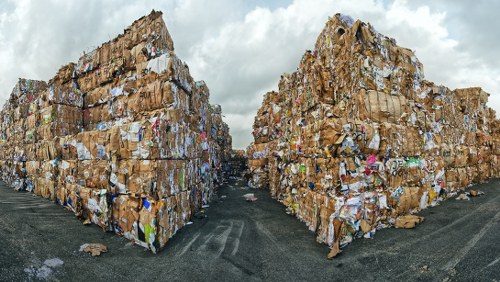
Once you know what needs removing, the next step is simply to send a practical request. The best commercial waste enquiries are clear and brief, but they still mention the essential facts: waste type, approximate amount, location and any access limits. If the load includes a mix of furniture, documents, appliances or special material, list those elements separately. That makes it easier to decide how the collection should be arranged and which route is most suitable.
You do not need to write a long explanation to get started. A few lines are often enough, especially if the waste is already grouped and the access is straightforward. If the job is part of a fit-out, office move or periodic clear-out, mention the wider context only where it affects the collection itself. For a direct enquiry, contact us with the key details and request a quotation for commercial waste in Edmonton.
If you would rather prepare first, collect the basic points in one message: what is being removed, where it is, whether it is assembled or bagged, and whether any item needs separate handling. That keeps the process efficient without overcomplicating the request. Clear information is the best starting point for a reliable response, and it helps make the collection as straightforward as possible.